
Quick wins.
Representatives prioritized straightforward loads that could be booked with fewer calls and negotiations.
 3PL LogisticsSelf-Service Booking
When the answer was yes, booking shouldn't need a broker.
I designed direct acceptance, negotiation, and exception paths for carriers responding to freight offers. A later, narrower Redwood pilot tested straightforward acceptance and increased bid-processing throughput by 15%.
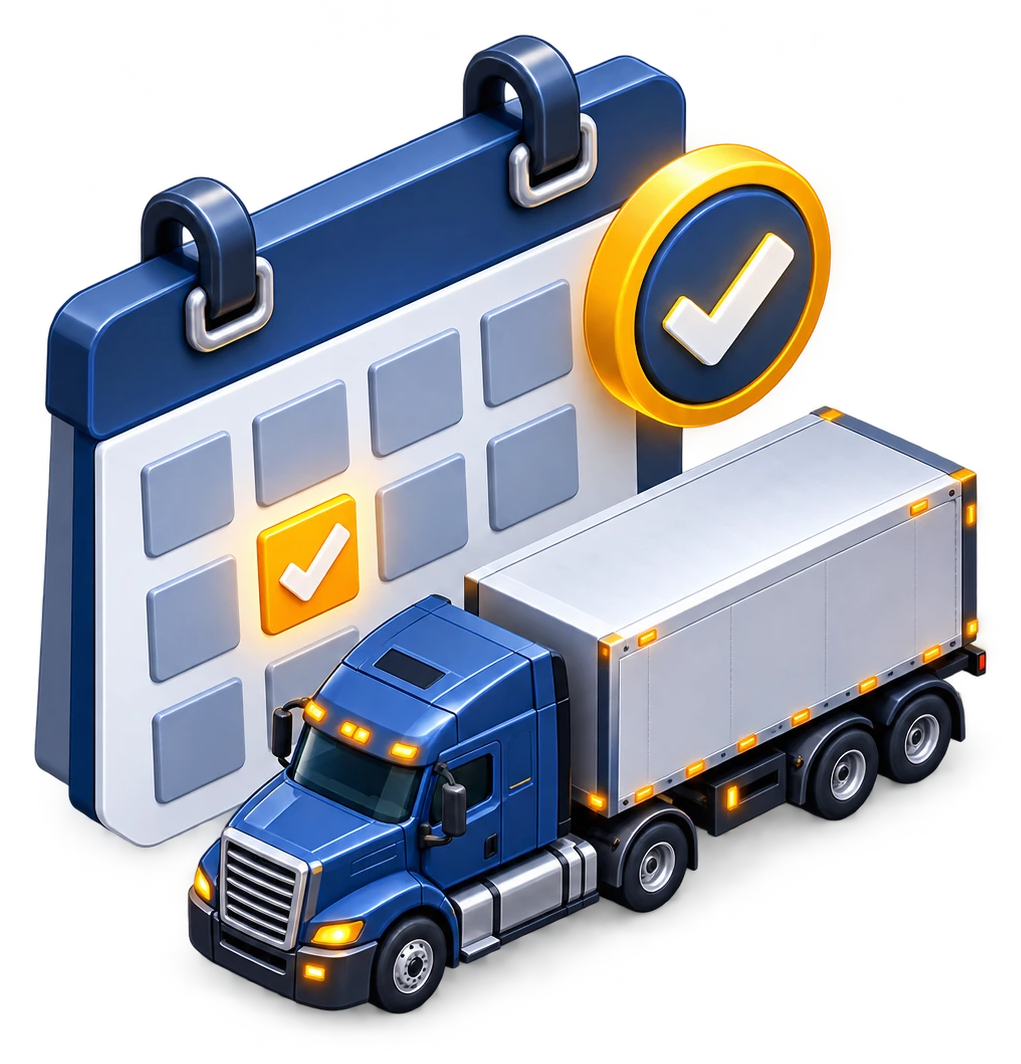
Straightforward loads were usually booked first, using the same representative attention needed for complex freight. As the day progressed and carrier availability narrowed, the remaining loads became harder to place.
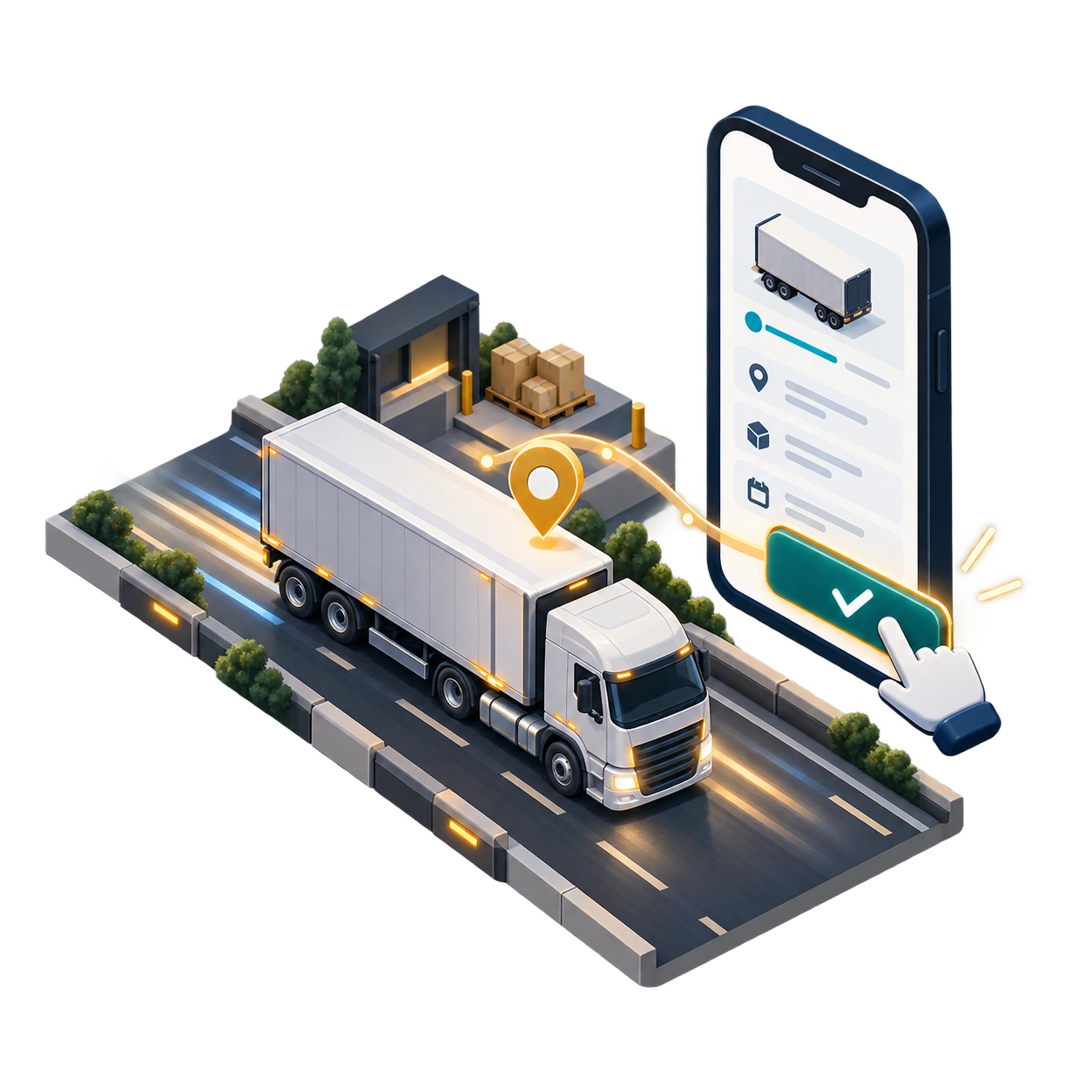
Representatives prioritized straightforward loads that could be booked with fewer calls and negotiations.
Complex freight waited while the pool of available carriers diminished.
Routine acceptance and complex negotiation competed for the same people. I explored moving straightforward commitments out of that queue while preserving representative involvement for exceptions.
02 / EARLIER DESIGN: STRIVE DIGITAL FREIGHT MATCH
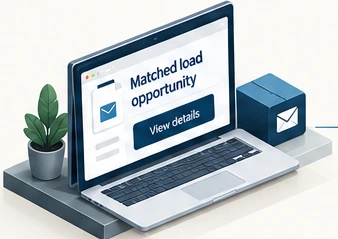
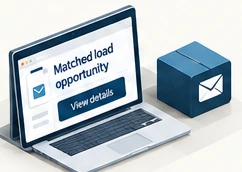
I designed an HTML interaction prototype that let carriers accept, make an offer, decline for capacity, manage lane preferences, or unsubscribe from a matched-load email. Each response led to confirmation, an appropriate follow-up, or a representative handoff.

On smaller screens, scroll sideways to explore the complete diagram.
Choose a decision or response above to reveal what happens next and highlight its place in the flow.
Unresolved counteroffers returned to a representative, preserving a human path when the exchange required further negotiation.
03 / LATER PILOT: REDWOOD ONE-CLICK ACCEPTANCE
After the acquisition, Redwood tested a narrower model before adopting the broader response experience. Carrier matching prioritized outreach, and the pilot email offered Accept, Notify (manage lane), and Decline.
On smaller screens, scroll sideways to explore the complete diagram.
Choose a decision or response above to reveal what happens next and highlight its place in the flow.
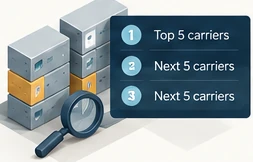
Offers went to groups of five carriers at a time. The pilot focused on whether straightforward acceptance could complete a booking without routine broker negotiation.
The Redwood one-click acceptance pilot increased bid-processing throughput by 15%, compared with a projected improvement of 3–5%.
Improvement in bid-processing throughput during the later Redwood direct-acceptance pilot.
Representatives also began using the carrier-facing acceptance link after receiving verbal agreement. An interaction designed for external carriers offered a simpler way to record an already-agreed commitment internally.
Accept straightforward freight directly.
Record an already-agreed commitment.
Design judgment Separate routine acceptance from the work that needs negotiation and judgment. The pilot’s measured result was bid-processing throughput; the unexpected internal use revealed another task the interaction could simplify.